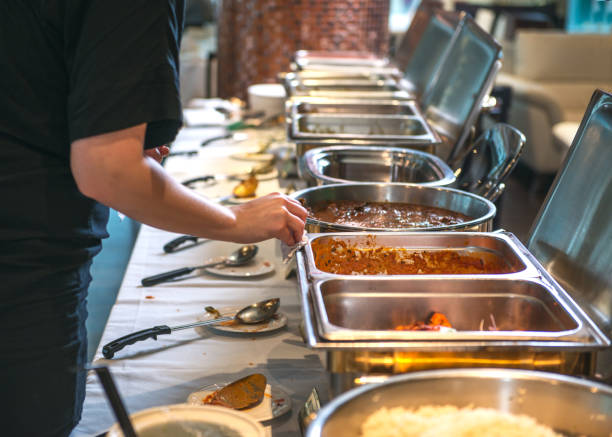
Indian food is known for its rich flavors, dynamic tones, and different scope of dishes. From fiery curries to fragrant biryanis, Indian food has turned into a most loved around the world. In any case, past its taste and assortment, many keep thinking about whether Indian food is genuinely solid. The response lies in figuring out the fixings and cooking techniques that make up customary Indian feasts.
Wholesome Advantages of Indian Food
Wealthy in Plant-Based Fixings
Indian cooking consolidates a wide assortment of vegetables, vegetables, and grains, making it normally plentiful in fiber, nutrients, and minerals. Dishes like dal (lentils), vegetable curries, and mixed greens give fundamental supplements and are a magnificent wellspring of plant-based proteins. Numerous customary Indian dinners are veggie lover, supporting a reasonable eating routine that is heart-sound and low in undesirable fats.
Flavors and Spices for Wellbeing
One of the critical highlights of Indian food is its utilization of flavors, which are tasty as well as loaded with medical advantages. Turmeric, for instance, contains curcumin, a compound known for its mitigating properties. Ginger and garlic, normal fixings in Indian cooking, have been displayed to help the safe framework, further develop processing, and decrease aggravation.
Entire Grains and Sound Sugars
Indian food frequently includes entire grains like earthy colored rice, quinoa, and millet. These grains give complex carbs, which are processed gradually, keeping glucose levels stable and offering enduring energy. Flatbreads like entire wheat roti or chapati are normal in Indian feasts and are more grounded than their refined partners.
Utilization of Solid Fats
While a few Indian dishes might appear to be wealthy in oils, numerous customary Indian recipes utilize solid fats, similar to ghee (explained spread) with some restraint, or coconut oil. These fats are wellsprings of fundamental unsaturated fats that help heart wellbeing when consumed in suitable sums.
Adjusted Flavors for Assimilation
Indian feasts are normally intended to offer an equilibrium of flavors — sweet, harsh, pungent, unpleasant, and fiery. This blend upgrades the taste as well as advances better processing and keeps a sound stomach. Dishes like yogurt-based raita or buttermilk are regularly used to help absorption and equilibrium the lavishness of spicier foods.
Potential Wellbeing Concerns
High in Calories
A few Indian foods, particularly seared things like samosas, pakoras, and certain curries, can be high in calories and unfortunate fats. Gorging these dishes or consuming them consistently can prompt weight gain or stomach related issues.
Weighty Utilization of Salt
Certain Indian curries and pickles might be high in sodium, which can add to hypertension and other heart-related issues. Notwithstanding, this can be moderated by diminishing salt admission and picking custom made choices that control how much salt added.
Segment Size
While Indian food is commonly solid, segment control is significant. Gorging even good food can prompt an irregularity in sustenance and weight gain. Being aware of piece sizes, particularly while eating out, can assist with keeping a solid eating regimen.
Instructions to Make Indian Food Better
Choose Barbecued or Steamed Dishes: Rather than pan fried things, attempt barbecued kebabs, roasted dishes, or steamed idlis and dhoklas for a better other option.
Control Oil Use: Numerous Indian dishes are cooked with liberal measures of oil, yet lessening the oil or utilizing better choices like olive or mustard oil can make dinners lighter.
Pick Entire Grains: Supplant white rice with earthy colored rice or quinoa, and settle on entire wheat chapatis rather than refined flour choices.
Balance Your Plate: Integrate a lot of vegetables and vegetables into your feasts, and be aware of adding proteins from sources like tofu, paneer, or beans.
End
Indian food can be unquestionably solid, offering various supplements and medical advantages. With its utilization of new vegetables, entire grains, and flavors, Indian food upholds a fair and feeding diet. In any case, similar to any food, the key is in picking the right dishes and cooking strategies. By choosing lighter arrangements, controlling piece sizes, and decreasing unfortunate fixings, you can partake in the many flavors and medical advantages that Indian food brings to the table.