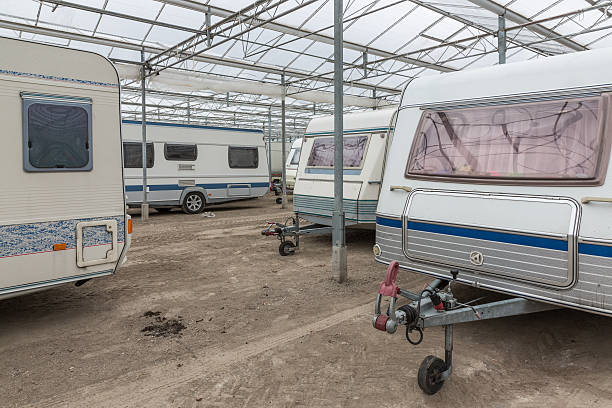
Recreational vehicles represent more than transportation; they hold memories, investment, and future travel plans. Parking them for weeks or months requires more preparation than simply locking the door. Understanding what to do—and what to avoid—helps protect vehicles stored in RV storage units from unnecessary wear and costly damage.
Don’t Leave Food Inside That Could Draw Pests
Food crumbs, sealed snacks, or canned goods may seem harmless inside cabinets, but even small traces attract pests. Rodents and insects can detect scent through packaging and find entry points through vents or seals. Once inside, they chew wiring, insulation, and upholstery. Damage from pests often goes unnoticed until the vehicle is taken out of storage.
Even tightly sealed containers can leak odors over time. Before placing a vehicle in storage units, remove all food and wipe down kitchen surfaces thoroughly. Owners who search storage units near me often forget that pest prevention starts before the vehicle is parked. Clearing out edible items reduces the risk of infestation inside RV storage units.
Do Check Seals and Windows Before Storing It Away
Rubber seals around windows, doors, and roof vents degrade gradually. Cracks or gaps allow moisture and insects to enter while the vehicle sits idle. Inspecting seals before placing the vehicle in storage units helps catch minor issues early. Repairing worn weatherstripping prevents water intrusion that could damage interior surfaces.
Moisture often sneaks in through overlooked openings. A careful check of window latches and vent covers keeps rain and humidity out during long-term stays in RV storage units. Taking time to inspect these components protects the interior from mildew and soft spot development.
Don’t Forget to Turn off Propane and Power Sources
Leaving propane lines open or batteries connected creates unnecessary risk. Even small leaks can become hazardous in enclosed areas. Shutting off propane valves and disconnecting nonessential electrical systems reduces fire risk and prevents battery drain. Electrical systems continue drawing small amounts of power when left connected. Before parking in storage units near me, turn off appliances and isolate the battery if possible. Securing these systems ensures the vehicle remains safe while stored for extended periods.
Do Start the Engine Now and Then to Keep Parts Moving
Engines benefit from occasional circulation. Starting the vehicle periodically helps lubricate internal components and prevents seals from drying out. Allowing the engine to reach operating temperature reduces condensation buildup inside the system.
Extended inactivity can cause fluids to settle and batteries to weaken. Visiting RV storage units every few weeks to start the engine and move the vehicle slightly keeps parts functional. Regular attention maintains readiness for the next trip.
Don’t Store It with a Near Empty Fuel Tank
A nearly empty fuel tank leaves room for condensation to form inside. Moisture mixing with fuel can lead to corrosion and performance issues later. Filling the tank before placing the vehicle in storage units minimizes air space where condensation can develop.
Fuel stabilizer can also help maintain quality during long storage periods. Before leaving the vehicle in RV storage units, topping off the tank and adding stabilizer reduces the chance of fuel degradation. This simple step protects the engine and fuel lines.
Do Place Blocks to Ease Weight off the Tires
Tires can develop flat spots if left bearing full weight for extended periods. Placing leveling blocks or supports under the frame helps distribute weight more evenly. Relieving constant pressure preserves tire shape and extends lifespan.
Even slight movement or repositioning during storage can prevent uneven wear. Owners using storage units near me benefit from checking tire pressure and adding support blocks when parking for months. Proper tire care avoids costly replacements.
Don’t Leave Damp Gear That Can Cause Mold Smells
Moist camping gear stored inside a vehicle can trap humidity. Damp clothing, towels, or outdoor equipment encourage mold growth. Odors can linger long after the vehicle leaves storage.
Air circulation inside RV storage units may be limited. Removing wet items before storing and allowing the interior to dry thoroughly prevents mold development. This practice keeps upholstery and cabinetry fresh during downtime.
Do Lock All Doors and Storage Bays Each Visit
Security remains important even in monitored facilities. Double-checking all entry points reduces the risk of unauthorized access. Locking compartments and external bays prevents theft of valuable equipment stored inside.
Each visit to storage units should end with a complete perimeter check. Ensuring doors, windows, and storage compartments are secured protects the vehicle while it remains in RV storage units. Attention to detail discourages potential tampering and maintains peace of mind.
Proper preparation makes a significant difference in long-term vehicle condition. Storage Partner offers secure RV storage units designed to provide space and protection for large vehicles. Their facility options help owners keep recreational vehicles safeguarded between trips while maintaining convenient access when needed.