Leaving the hospital after heart surgery brings relief and a new kind of worry. The team that watched your every heartbeat is no longer a few steps away, and you are now responsible for the details of recovery. The instructions you receive from your cardiac surgeon Raipur families consult may be long, but each one has a reason. Understanding that reasoning makes it far easier to follow them.
Why recovery takes weeks, not days
The heart may be repaired quickly, but the body needs time to heal. The breastbone, if it was opened, usually takes several weeks to knit together. Tissues need time to recover from anaesthesia and the stress of the operation. Fatigue, low appetite and mood swings are common early on. Knowing that this is expected helps you avoid panic and avoid pushing too hard.
Caring for the wound
You will probably be told to keep the incision clean and dry, to wash gently as instructed, and to avoid creams or powders unless advised. Watch for redness that spreads, swelling, discharge, a bad smell or fever. These may signal infection and are reasons to contact the surgical team promptly. If a leg or arm was used for grafts, that site needs care too, including elevating the leg and watching for swelling.
Protecting the breastbone
While the sternum heals, there are usually restrictions on lifting, pushing and pulling. Surgeons often advise avoiding heavy weights for around the first six weeks or so, but the exact guidance depends on your operation. Many recommend hugging a pillow when coughing or sneezing, and using the arms carefully when getting out of bed. These measures are meant to prevent strain on the healing bone.
Walking, and then a little more
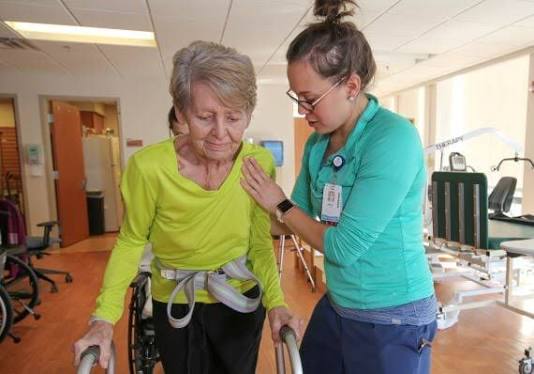
Gentle, regular walking is typically encouraged from the start, with short distances several times a day, gradually increasing. The idea is to build stamina steadily without causing exhaustion or chest discomfort. Rest breaks are not failure. Listen to your body, and tell the doctor if walking provokes breathlessness, palpitations or dizziness.
Breathing exercises
Your physiotherapist may teach you deep-breathing exercises or the use of a breathing device. These help the lungs expand fully and reduce the risk of chest infections. They can feel tedious, but they matter, especially in the first weeks.
Pain, sleep and appetite
Some discomfort is normal, and pain relief is prescribed to keep you moving and sleeping. Sleep may be disturbed for a while, and finding a comfortable position can take trial and error. Appetite often returns gradually. Small, frequent, nutritious meals are usually better tolerated than large ones.
Medicines are part of the repair
After surgery, you may be on medicines to protect grafts or valves, control blood pressure, regulate heart rhythm or prevent clots. Take them exactly as prescribed, and do not stop or adjust any without medical advice. Keep an updated list, and bring it to every follow-up.
Emotions deserve attention
Many people feel low, tearful, irritable or anxious in the weeks after surgery. Some feel guilty about being a burden. This is common and often temporary, but if it persists or worsens, speak to your doctor. Support from family, rehabilitation groups or counselling can help.
Cardiac rehabilitation
Structured rehabilitation combines supervised exercise, education about diet and medicines, and emotional support. Studies and clinical experience suggest it helps patients regain strength and reduces the chance of future problems. Ask whether it is available near your home.
Driving, work, travel and intimacy
These milestones depend on the operation and your recovery. Surgeons typically give timelines, often several weeks for driving and a few weeks to a few months for returning to work, depending on the job. Ask for specific guidance rather than guessing. Questions about intimacy are common and perfectly appropriate to raise.
Red flags that mean call now
Chest pain that is new or severe, sudden breathlessness, fainting, a very fast or irregular heartbeat, fever, wound discharge or a calf that is swollen and painful should be reported urgently. Keep the surgical team’s contact number accessible.
Staying in touch
Follow-up appointments are not optional. They allow the surgeon and cardiologist to check healing, review medicines and adjust the plan. Keep every appointment, even if you feel well.