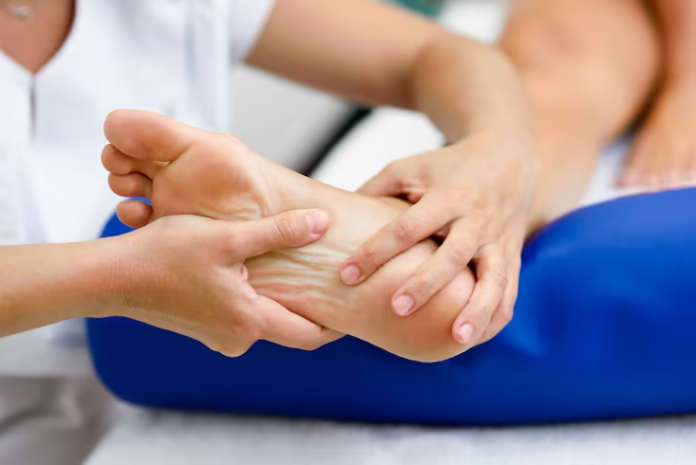
A sore on the foot may not seem like a big deal at first, but ignoring it can change the way a person walks, moves, and even lives day to day. Regular checkups provide a layer of safety that protects mobility before problems spiral out of control. With guidance from a trusted foot wound care doctor or foot wound care specialist, people can keep their independence and avoid setbacks that often come from untreated foot wounds.
Regular Visits Catch Circulation Problems Before They Worsen
Poor circulation in the feet often hides beneath the surface, giving no obvious warning until serious damage sets in. A foot wound care doctor can spot signs like slow healing, changes in skin color, or unusual swelling during routine visits. By detecting these circulation issues early, treatment plans can include adjustments in lifestyle, medications, or therapies that restore blood flow and prevent long-term harm.
Circulation checks also allow a foot wound care specialist to track subtle changes over time. Even minor circulation decline can impact how well oxygen and nutrients reach damaged skin. Without those building blocks, wounds stall in the healing process. Consistent monitoring keeps those issues from slipping past unnoticed, protecting a person’s ability to walk comfortably.
Early Care Prevents Infections That Can Limit Walking Ability
Open wounds create an easy path for bacteria to enter, turning a manageable sore into a dangerous infection. Once infection sets in, it not only delays healing but can spread deeper into the tissue and even bone. That progression often limits mobility and requires more aggressive treatment. Seeing a foot wound care doctor promptly reduces those risks because infections are caught and treated before they advance.
A foot wound care specialist also provides guidance on proper wound cleaning and dressings, which greatly lower the odds of infection developing in the first place. Even small adjustments in daily care can make a huge difference. With professional support, people preserve walking ability instead of losing strength and comfort to untreated infections.
Skilled Monitoring Reduces the Risk of Ulcers Becoming Severe
Ulcers can begin as surface sores but grow deeper and more painful if overlooked. A trained eye can measure depth, drainage, and changes that indicate worsening conditions. A foot wound care doctor has the tools to treat ulcers before they become unmanageable, whether through debridement, advanced dressings, or pressure relief techniques.
Over time, untreated ulcers often lead to serious mobility loss, sometimes requiring hospitalization or surgery. Regular visits with a foot wound care specialist ensure ulcers are handled at the earliest stage possible. This approach avoids long recoveries and helps people maintain steady movement without interruption.
Ongoing Treatment Supports Faster Healing of Stubborn Wounds
Certain wounds linger for weeks or months, frustrating patients who try to manage them alone. A foot wound care doctor applies advanced treatment methods that jumpstart healing, including specialized dressings, compression therapy, or procedures that improve blood supply. These approaches work faster than basic home care.
A foot wound care specialist can also adjust treatments as wounds change, tailoring care to the individual’s needs. This personalized attention speeds up recovery, reducing the time patients spend restricted or uncomfortable. Faster healing keeps mobility intact and restores confidence in daily activities.
Timely Checkups Lower Chances of Complications from Diabetes
Diabetes often reduces sensation in the feet, meaning injuries go unnoticed until they are severe. A foot wound care doctor becomes a critical safeguard by providing regular exams that catch wounds patients may not even feel. Timely care reduces complications like infections, ulcers, and tissue breakdown that threaten mobility.
In addition, a foot wound care specialist understands how blood sugar control and wound care work together. By coordinating both aspects, they minimize the likelihood of repeat problems. For patients with diabetes, consistent follow-up visits make the difference between ongoing mobility and long-term disability.
Expert Care Keeps Pressure Points from Turning into Chronic Pain
Pressure points build up from shoes, walking habits, or underlying conditions. Left alone, they can create sores that refuse to heal, leading to chronic pain with every step. A foot wound care doctor examines these pressure areas before they develop into bigger problems. By recommending proper footwear, padding, or adjustments, the doctor relieves stress and reduces the risk of painful wounds.
A foot wound care specialist may also recommend therapies that strengthen feet and ankles, preventing pressure from concentrating in one spot. Over time, this keeps walking comfortable and avoids the gradual loss of mobility that comes with untreated pressure wounds. Early adjustments keep patients active instead of sidelined by preventable pain.
Consistent Follow Ups Help Preserve Balance and Movement
Feet play a central role in balance, and untreated wounds interfere with stability. Limping, avoiding certain movements, or favoring one foot over the other can throw off alignment and increase the risk of falls. Regular appointments with a foot wound care doctor give patients the support they need to keep their gait steady.
Follow-ups with a foot wound care specialist provide more than just wound checks—they create an ongoing record of mobility health. Adjustments in treatment are made based on progress, ensuring balance and strength are preserved. This consistency allows patients to move confidently and maintain independence well into the future